How to Prepare Your Anderson Home for a New Fence Installation


Assess Your Property
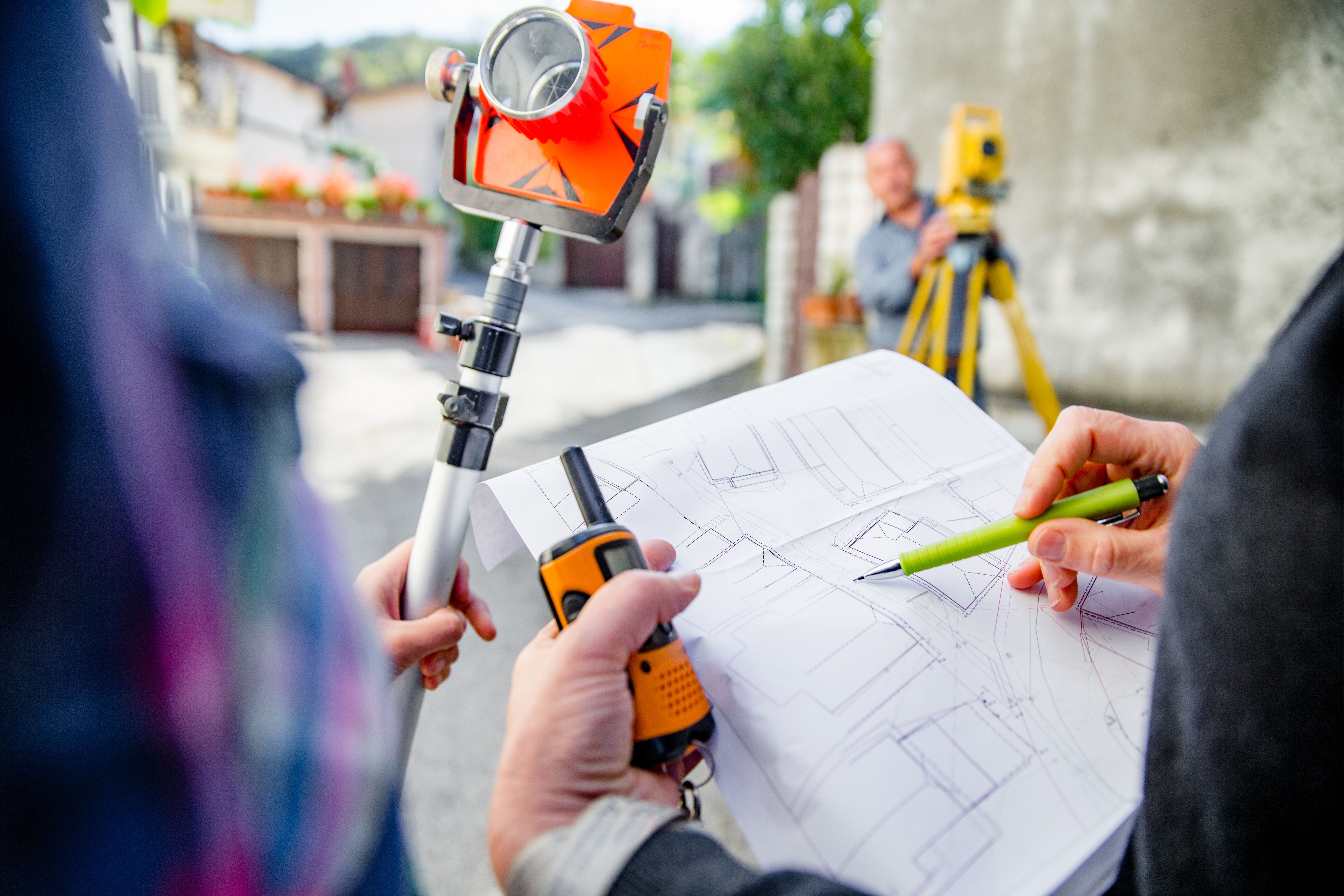
Before the installation of a new fence, it’s essential to assess your property thoroughly. Start by identifying your property lines. This step ensures that your new fence is installed correctly within your boundaries, avoiding disputes with neighbors. You can usually find these details on your property deed or by consulting a local surveyor.
Additionally, consider the landscape of your yard. Are there any slopes, trees, or existing structures that might affect the fence installation? Understanding your landscape will help in choosing the right materials and design for your fence.
Check Local Regulations
It’s crucial to familiarize yourself with local regulations and homeowner association guidelines regarding fence installation. Some areas might have restrictions on fence height, materials, or even colors. Being aware of these rules can save you from potential fines and the hassle of reinstallation.
Contact your local zoning office or HOA to obtain any necessary permits or approvals. This step is important to ensure that your fence project proceeds smoothly and legally.

Select the Right Materials
Choosing the right materials for your fence is vital for both aesthetics and durability. Depending on your needs, you might consider wood for a classic look, vinyl for low maintenance, or metal for added security. Consider factors like climate, maintenance requirements, and budget when making your selection.
Discuss with your contractor about the best options that suit your property’s specific requirements and your personal preferences. A well-informed decision will enhance the longevity and appeal of your new fence.

Prepare the Installation Area
Once you’ve finalized your plans and obtained necessary approvals, it’s time to prepare the installation area. Clear any debris, rocks, or plants from the proposed fence line. This preparation ensures a smooth installation process and helps prevent any potential damage to your property or the fence itself.
If there are any existing fences, decide whether they will be removed or incorporated into the new design. Discuss with your contractor the best approach to integrating or removing existing structures.
Communicate with Your Neighbors
Good communication with your neighbors about the upcoming fence installation can prevent misunderstandings. Inform them about the construction schedule and any potential disruptions. If the fence will be on a shared boundary, consider discussing the design and costs with them.
Maintaining open communication will foster good neighborly relations and ensure a cooperative atmosphere during the installation process.

Plan for the Installation Day
Finally, plan ahead for the installation day. Ensure that the installers have easy access to your property and the necessary areas. Keep children and pets away from the work site for their safety and to allow the workers to complete the job efficiently.
By following these preparation steps, you’ll be well on your way to a successful and stress-free fence installation for your Anderson home. Enjoy the added privacy, security, and aesthetic appeal your new fence will bring!