How to Prepare Your Anderson Fence for Seasonal Changes


Understanding the Impact of Seasonal Changes
As the seasons shift, your Anderson fence faces various challenges. From the harsh cold of winter to the blossoming growth of spring, each season brings unique conditions that can affect the integrity and appearance of your fence. Preparing your fence for these changes is crucial to maintaining its durability and aesthetic appeal.
Inspecting Your Fence
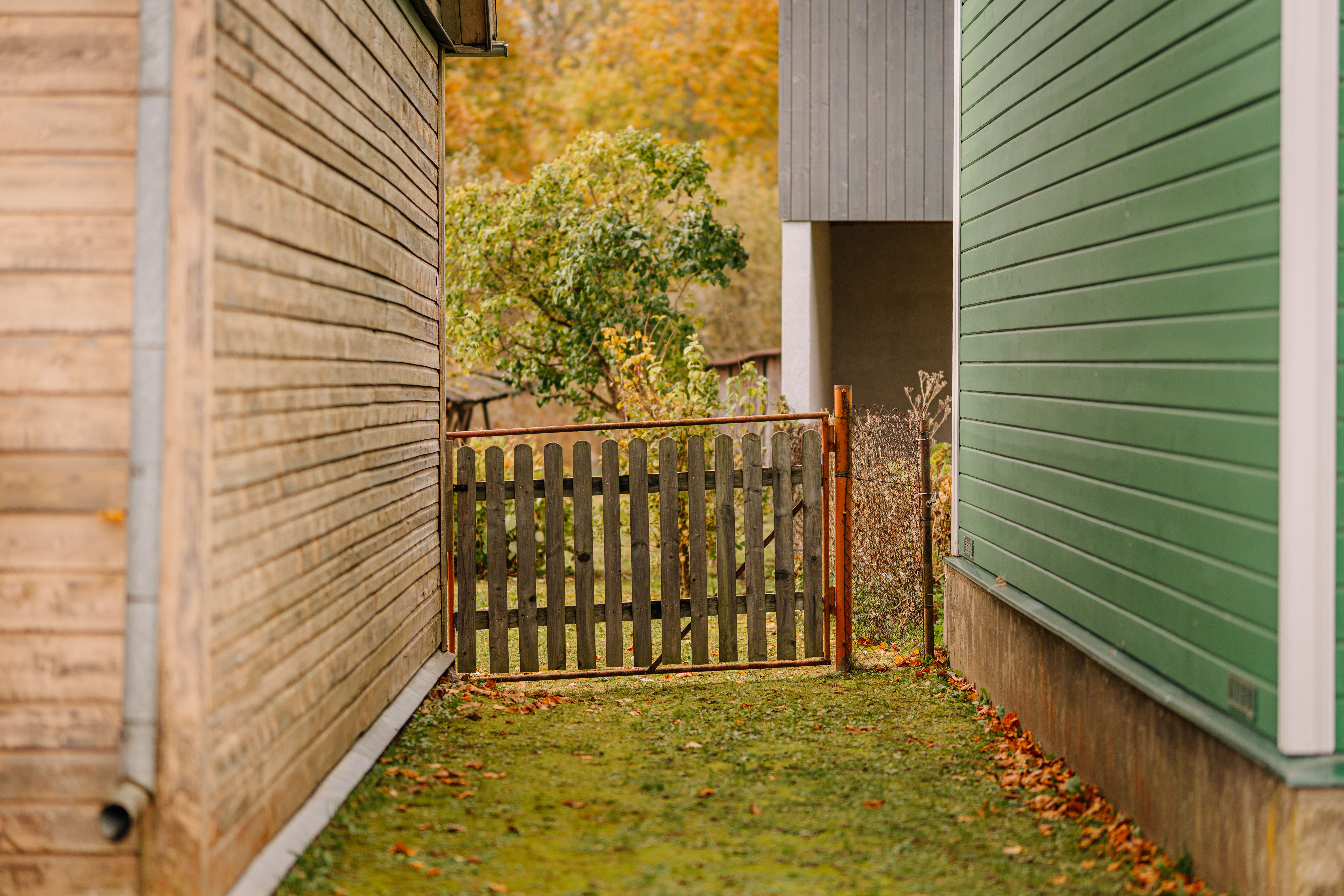
The first step in preparing your fence for seasonal changes is a thorough inspection. Look for any signs of damage such as loose boards, rusted nails, or chipped paint. Identifying these issues early can prevent more extensive damage later on.
Pay special attention to the base of the fence where moisture can accumulate. Use a flashlight to check for any signs of rot or insect infestation. Repairing these issues promptly can save you time and money in the long run.
Cleaning Your Fence
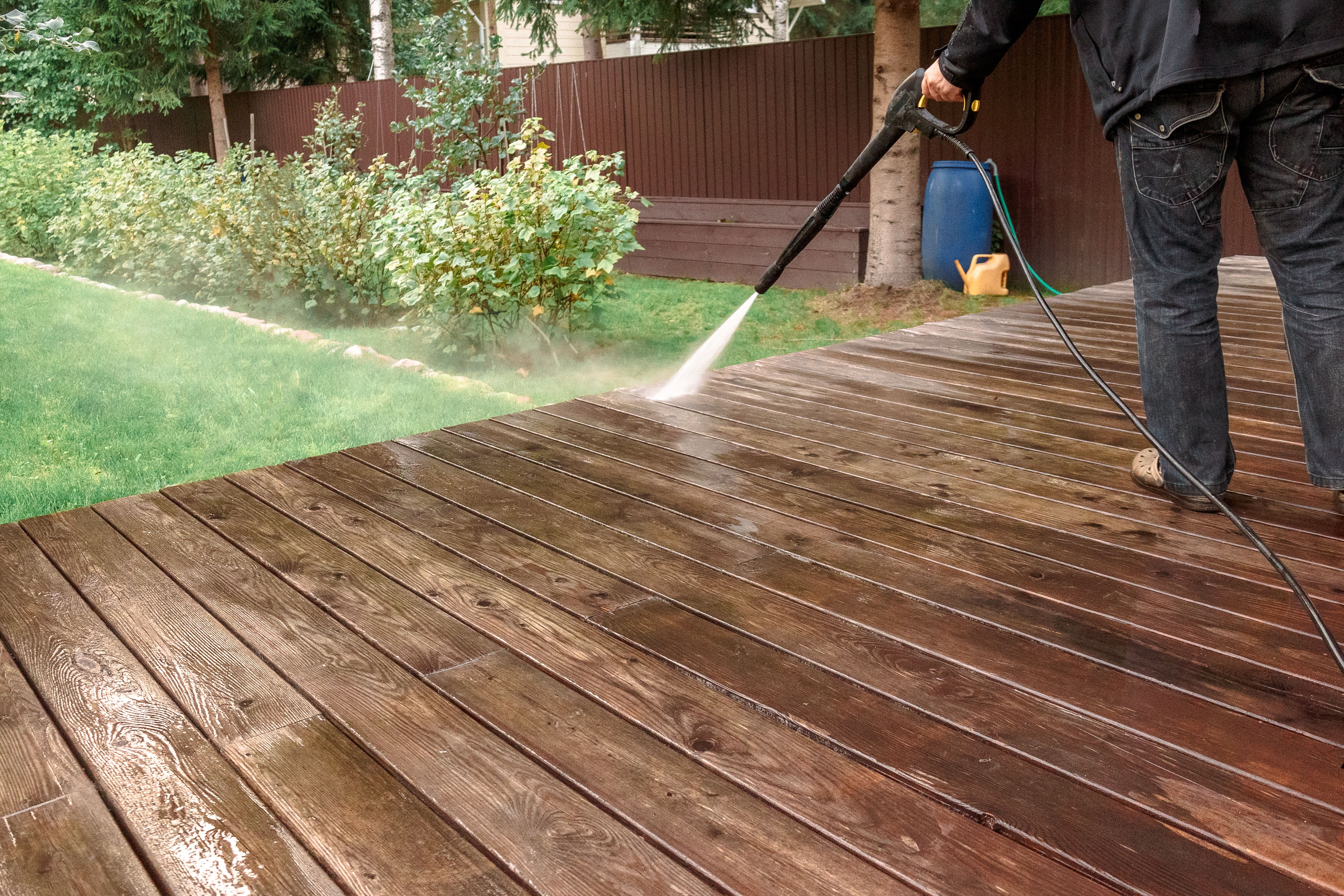
Cleaning is an essential part of fence maintenance. For wooden fences, use a mild detergent and a soft brush to remove dirt and grime. Avoid using a pressure washer as it can damage the wood. For vinyl or metal fences, water and a non-abrasive cleaner usually suffice.
Protecting Against Moisture
Moisture is one of the biggest threats to fences, especially during rainy seasons. Applying a waterproof sealant to wooden fences can help protect against rot and decay. Make sure to choose a sealant that is specifically designed for outdoor use.
For metal fences, consider applying a rust-resistant coating. This is particularly important in areas with high humidity or frequent rain.
Preparing for Winter
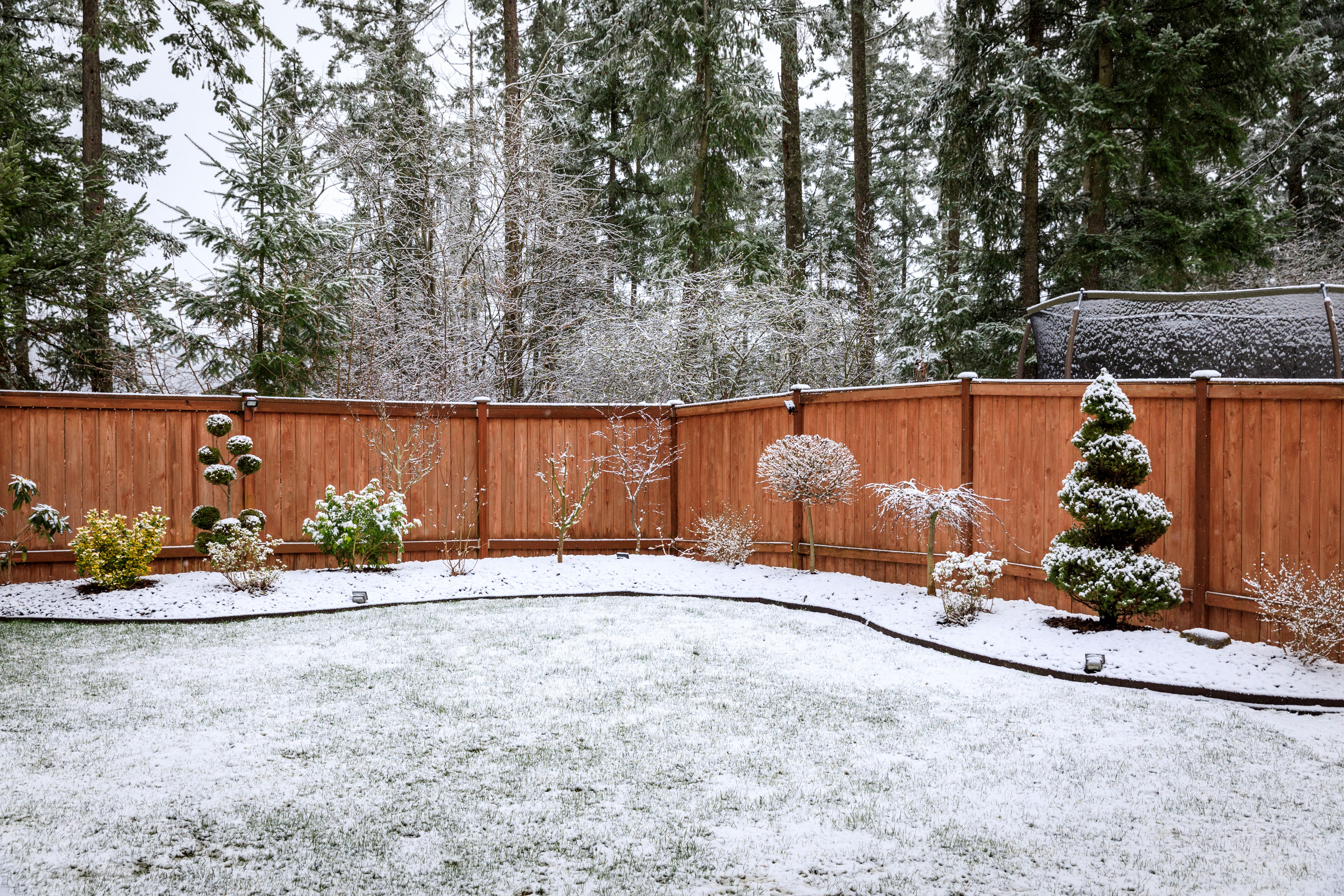
Winter can be harsh on fences, especially in areas that experience snow and ice. Before the first snowfall, ensure that your fence is in good condition. Tighten any loose screws and reinforce weak spots. Trimming nearby trees and shrubs can also prevent damage from falling branches.
Spring Maintenance Tips
As spring arrives, it's time to assess any damage caused by winter weather. Look for signs of rust or decay and address them immediately. Spring is also an excellent time to repaint or stain your wooden fence to refresh its appearance.
Regular maintenance during spring can prevent small issues from becoming major problems. Consider setting a reminder for a mid-spring inspection to stay proactive.
Summer Care for Your Fence
The summer sun can cause fading and warping, especially in wooden fences. To combat this, apply a UV-resistant stain or paint. Regular watering of the surrounding grass can also prevent soil erosion, which can weaken the fence's foundation.
Autumn Preparations
In autumn, falling leaves and increased rainfall can pose new challenges. Keep the area around your fence clear of debris to prevent moisture buildup. This is also a good time to perform a final inspection before winter sets in.
By following these seasonal maintenance tips, you can ensure that your Anderson fence remains strong and beautiful year-round. Regular care not only extends the life of your fence but also enhances the overall look of your property.