Comparing Fence Materials: Wood vs. Vinyl vs. Metal


Introduction to Fence Materials
When choosing a fence for your property, it’s essential to consider the material that best suits your needs and aesthetic preferences. The most popular options include wood, vinyl, and metal, each offering unique benefits and drawbacks. In this post, we’ll explore these materials to help you make an informed decision.
Wood Fences
Benefits of Wood
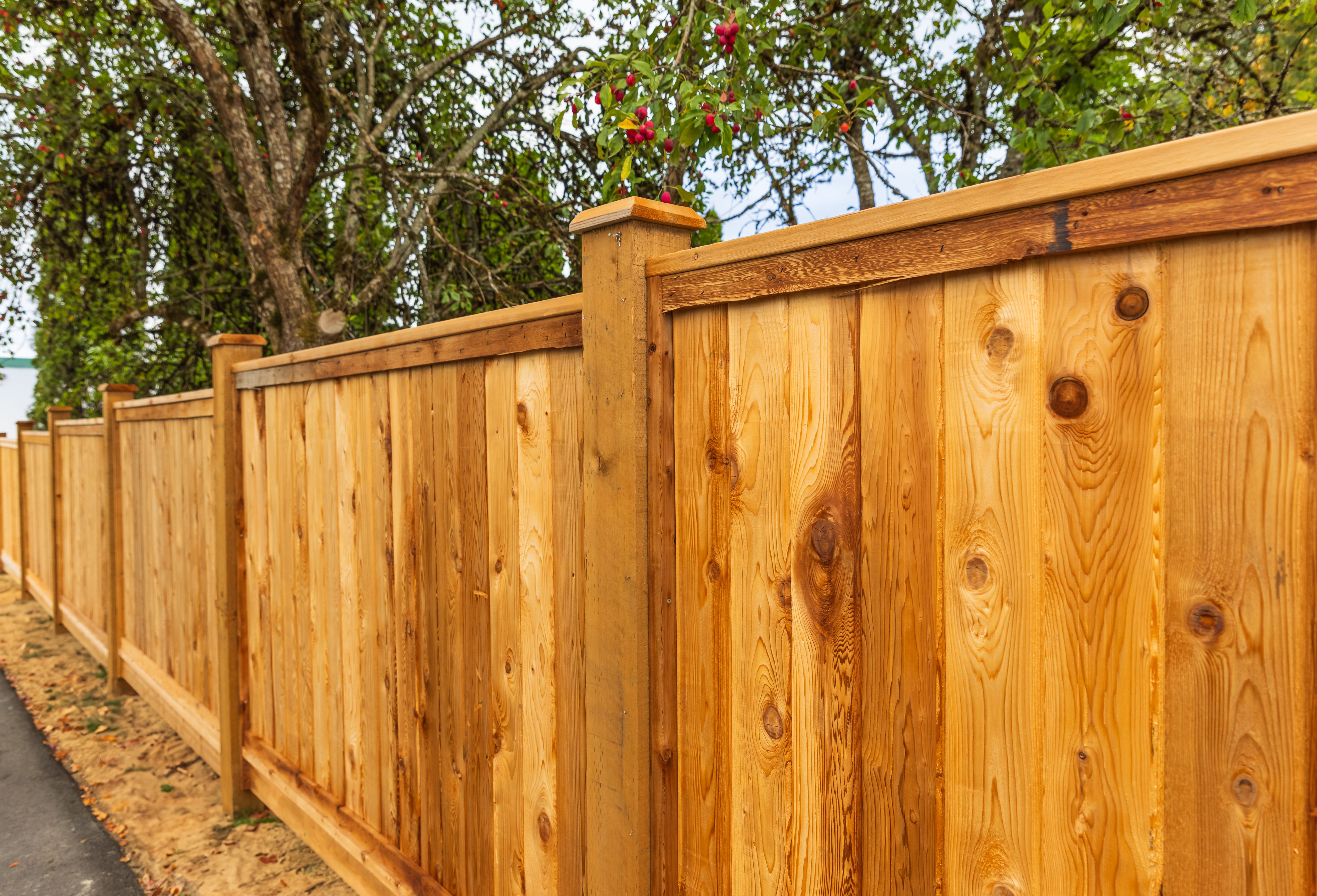
Wood is a classic choice for fencing, known for its natural beauty and versatility. It can be painted or stained in any color, allowing you to match it perfectly to your home’s exterior. Wood fences are also relatively affordable, making them a popular choice for many homeowners.
Drawbacks of Wood
Despite its appeal, wood requires regular maintenance to prevent rot, warping, and pest infestations. Without proper care, wood fences can deteriorate quickly, leading to costly repairs or replacements. Additionally, wood may not be as durable as other materials in extreme weather conditions.
Vinyl Fences
Benefits of Vinyl
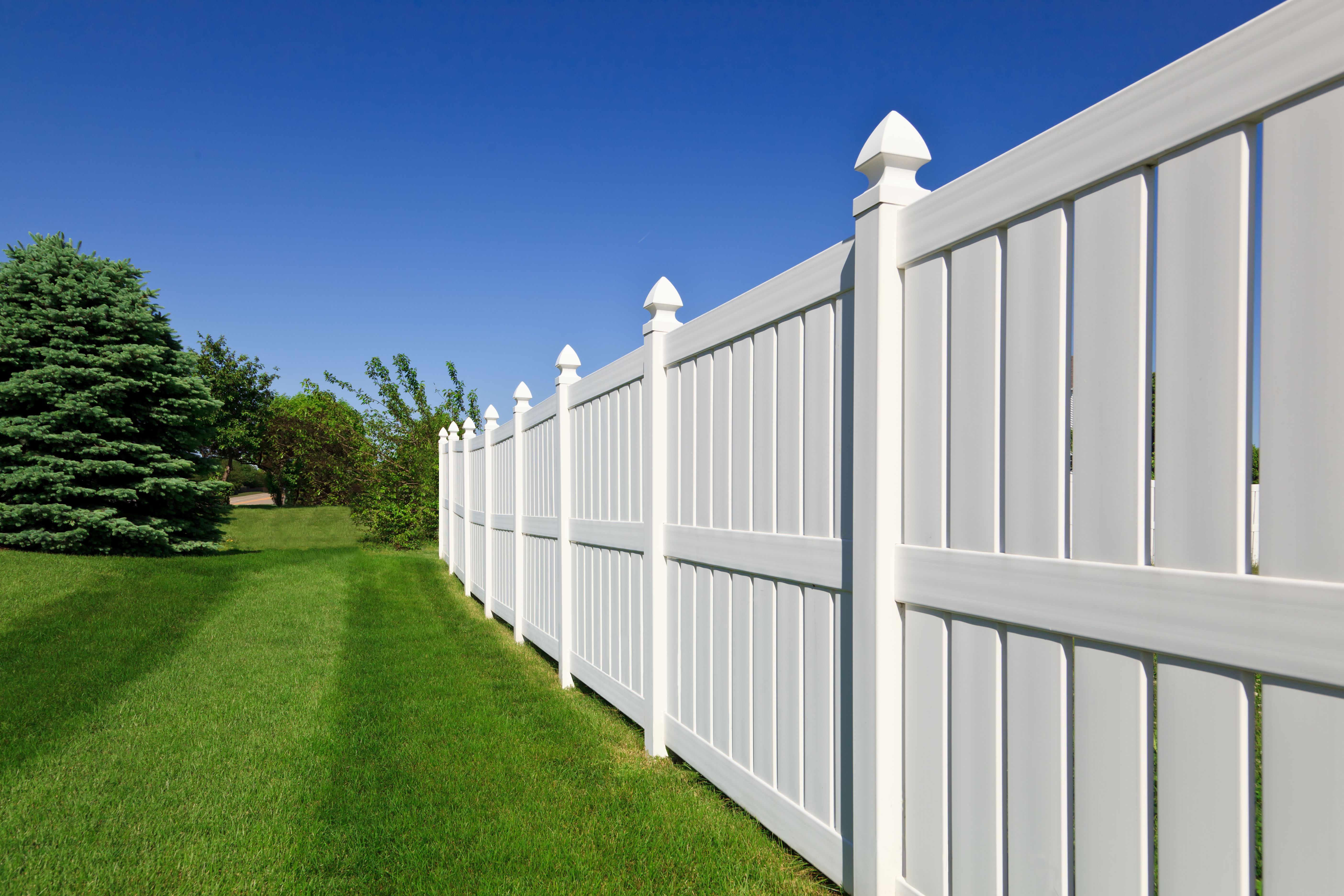
Vinyl fencing is an attractive option for those seeking a low-maintenance solution. It’s resistant to rot, pests, and weather damage, ensuring a long lifespan with minimal upkeep. Vinyl is available in various styles and colors, making it easy to customize to your liking.
Drawbacks of Vinyl
While vinyl is durable, it can be more expensive upfront than wood. It also lacks the natural appearance of wood, which may not appeal to everyone. Additionally, extreme temperatures can cause vinyl to expand or contract, potentially leading to cracking.
Metal Fences
Benefits of Metal
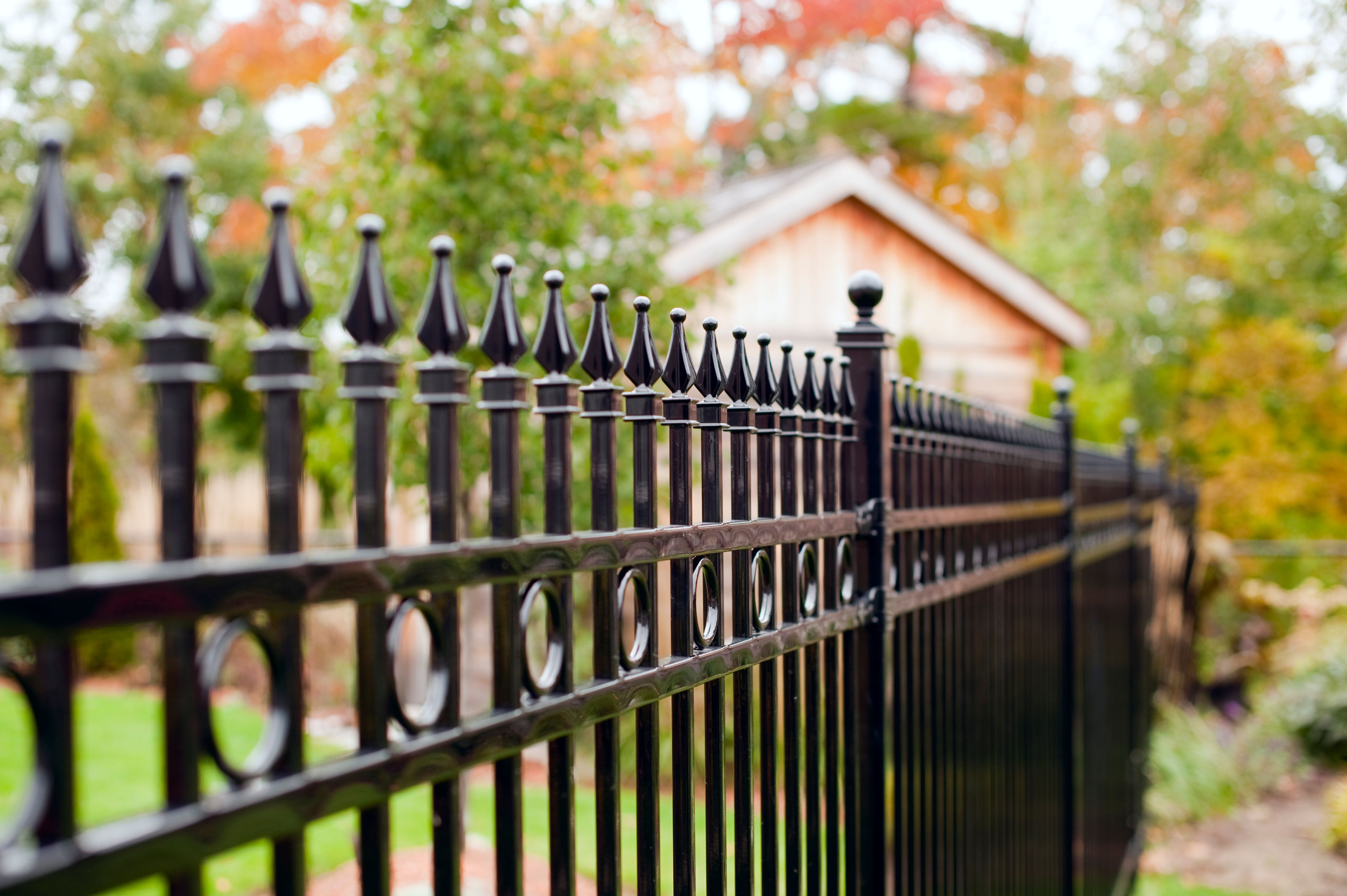
Metal fences, including options like aluminum, steel, and wrought iron, are known for their strength and security. They offer a modern aesthetic and can be designed with intricate details for added visual appeal. Metal is also highly durable and requires minimal maintenance.
Drawbacks of Metal
The main downside of metal fencing is its cost, which can be significantly higher than wood or vinyl. It can also be susceptible to rust if not properly coated, though modern treatments have significantly reduced this risk. Metal fences may also lack privacy compared to other materials.
Final Considerations
When deciding on the best fencing material for your home, consider factors like budget, maintenance, aesthetics, and the specific needs of your property. Each material offers unique advantages, so weigh these carefully to make the best choice for your situation.
Ultimately, the right fence will enhance your property’s curb appeal, provide security, and meet your practical needs for years to come.